
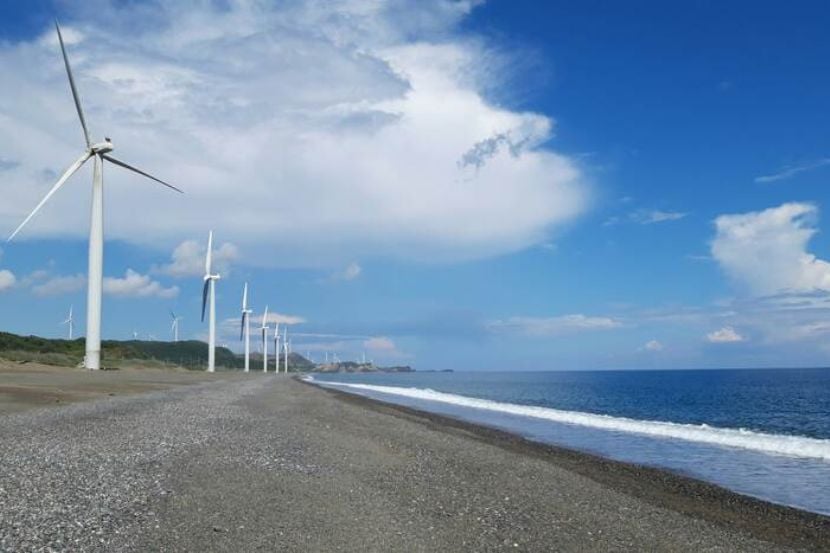
Globally, governments and businesses are working on finding affordable technology for generating renewable energy as an alternative for carbon fuels, which create unwanted CO2 emissions.
The Netherlands has much to offer in finding innovative solutions to accelerate the energy transition. Innovations range from various technological solutions and expertise to new specialized business models and financing arrangements. The global renewable energy market, especially in solar and wind energy solutions, has reached levels of maturity during the last decade(s). Dutch companies, both SMEs and larger corporates, have developed innovative local solutions, like off-grid solutions that provide rural communities with electricity, as well as sustainable energy solutions that are directly linked to (local) distribution systems.
Another example of renewable energy is hydro-energy, where smaller-scale Dutch solutions, that extract energy from either tidal forces or currents, can be deployed in a wide range of circumstances worldwide. The global debate on the use of biomass as a source for renewable energy has evolved rapidly. Effectively using waste to generate heat and electricity is another Dutch expertise.
Within our portfolio, several initiatives are working on creating or using renewable energy, minimizing the use of energy for heating and cooling among other things. For example, the island of Curaçao has an abundance of sun and wind – making it a highly suitable location to harvest renewable energy. The shift towards sustainable energy brings many social, economic, and commercial opportunities for the country and community.
Completed programmes
Image: © NLWorks
Rwanda
A majority of the population in East Africa still uses traditional fuels like charcoal and wood for household cooking. This causes severe health issues and gender inequalities. It also harms the environment and contributes negatively to climate change. On a global level, 2.4 billion people are exposed to dangerous levels of household air pollution. Rwanda and neighboring countries, including Kenya, Uganda, and Burundi, now aim to reduce the use of traditional cooking fuels and focus on clean cooking alternatives.
Image: © NLWorks
India
Reduce CO2 emissions or improve air quality through circularity. This ambition is a priority for both countries. Biomass India is a program for public-private initiatives of both Dutch and Indian businesses, NGOs as well as government agencies to develop an integrated concept for the processing of rice straw into bio-based products.